Sunstone's metaphysical properties center on its observed association with emotional warmth and vitality, stemming from physical interactions between light and its mineral inclusions; these effects are documented in user experiences but lack controlled scientific verification.
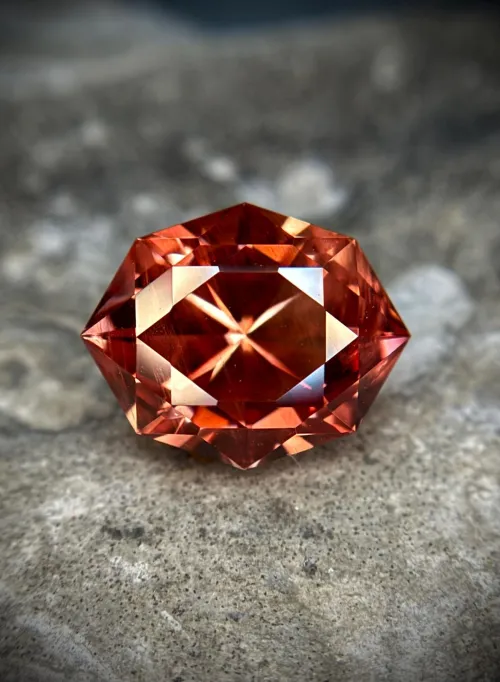
You might encounter a sunstone while browsing gemstone jewelry or researching alternative wellness practices. Its name sparks curiosity—does a "sun stone" truly embody solar energy? Many seek clarity after noticing market claims about its emotional effects or observing flashes of light in specimens. This interest often arises when distinguishing genuine properties from metaphorical naming or identifying authentic sunstone in decorative objects. Understanding these phenomena requires examining verifiable material traits and documented user patterns while acknowledging the absence of standardized measurement systems.
The term "energies" in sunstone contexts refers to consistent patterns of sensory experience that users report. In practice, this describes tactile warmth or perceived brightness that some individuals note during direct contact with the stone. Such observations should be contextualized within material behavior: the stone tends to conduct heat gradually due to its mineral density, while metallic inclusions reflect light dynamically.
One common pattern is that handling sunstone may correlate with subjective feelings of vigor, particularly in controlled settings like meditation. These effects appear most pronounced under natural lighting where aventurescence is visible. However, controlled studies haven't confirmed psychological mechanisms, making individual perception key.
Sunstone is classified mineralogically as a variety of oligoclase or orthoclase feldspar. This identification resolves frequent misclassification arising from varied regional naming conventions. Geologists distinguish it through quantitative properties like crystal structure and inclusion patterns.
Its composition centers on silicate minerals with embedded hematite flakes or copper particles. These inclusions cause reflective phenomena ranging from subtle glints to intense glitter depending on mineral concentration. In many common specimens, copper-rich varieties exhibit reddish flashes, while hematite contributes silvery reflections.
Accurate identification begins by observing distinct optical properties under different lighting. Key markers include characteristic sparkle against a translucent or semi-opaque base—a combination easily confused with similar minerals.
Sunstone's aventurescence manifests as directional sparkles when the stone is rotated, differing from uniform glitter seen in synthetics. Sparkle density varies with inclusion quantity: in many cases, copper-rich stones show finer glitter while hematite produces broader reflections.
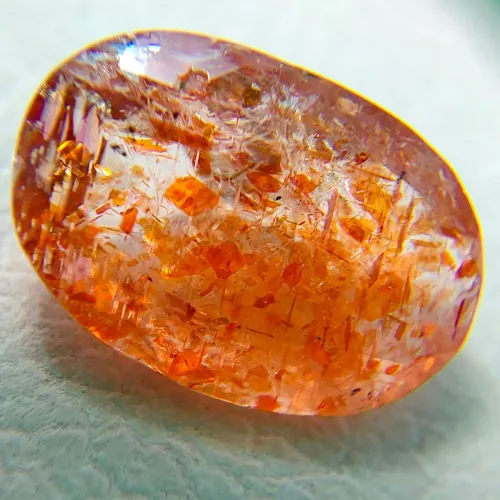
Base color typically spans pale champagne to deep copper-brown. Translucency levels correspond to geological formation pressures, with volcanic-origin stones tending toward greater opacity. These traits help discern it from superficially similar materials like fire agate.
This mineral forms predominantly as crystals within volcanic basalts cooled under high pressure over millennia. Natural occurrence patterns reveal why certain regions yield distinct varieties—Norwegian specimens typically contain hematite plates, while Oregon deposits often feature copper particulates. Formation conditions create variations in color depth and inclusion size.
Slow mineral crystallization allows inclusion development responsible for optical effects. Environmental stability influences preservation: stones from stable regions may exhibit more homogeneous inclusions compared to geologically active zones. These formation differences translate to observable surface textural variations.
Historically, groups near extraction sites utilized sunstone ornamentally and symbolically. Cultural evidence ties certain varieties to solar deities in Norse traditions, aligning with later metaphysical interpretations centered on joy themes. These associations have evolved as gemstone entered modern wellness spaces.
Contemporary frameworks correlate it with vitality concepts—a connection potentially originating from visual warmth cues. Wearers note the stone sometimes coincides with positive emotional states during daily activities. However, cultural claims require contextualization: historical usage didn't universally prescribe energetic properties beyond aesthetic appreciation.
Chakra correspondence frameworks often position sunstone near solar plexus energy centers based on color symbolism and tactile reports. Users cite physiological heat sensations suggesting localized effects in surrounding tissues. Such observations demonstrate how sensory input can intersect with conceptual anatomy systems in metaphysical practice.
One recurring pattern involves heightened sensation when stones rest against upper abdominal skin surfaces. This tactile response appears amplified under warm lighting, where reflective particles interact visibly. Scientifically, skin thermoreceptor activation might explain localized warmth, while psychological associations contribute to chakra interpretations.
Real-world implementation requires addressing mineral vulnerabilities from its 6.0-6.5 Mohs hardness. Users find it moderately durable for jewelry, though settings should minimize friction against harder materials to prevent abrasions. Surface integrity may degrade during prolonged physical activity without protective design.
Care protocols mirror those for other feldspars: clean with lukewarm water to avoid corrosion risks from copper particles. Light exposure requires caution—direct sunlight over years may subtly alter color saturation levels affecting aesthetic appeal. Periodic assessments help maintain functionality in high-contact items.
Sunstone shares properties with similarly reflective minerals like aventurine that display schiller effects under light. When differentiating, assess inclusion characteristics—copper-induced glitter differs structurally from mica-spangled minerals. Complementary warm-toned stones include carnelian, showing denser optical phenomena.
Comparative analysis yields distinct identifiers: sunstone’s aventurescence typically shows sharper sparkles against darker backgrounds. Formation contexts also vary; materials like goldstone develop through human manufacture rather than volcanic processes, providing clear geological distinction markers.
If exploring sunstone properties, anchor observations in material analysis: monitor tactile temperature changes after initial handling, check light interaction using directional illumination, and note consistency across contexts. For metaphysical attributes, document experiences before attribution, while distinguishing physical properties like thermal conductivity from subjective effects.
Q: Does scientific evidence support healing claims associated with sunstone?
A: Research confirms mineral composition and light-reflective properties but hasn't verified therapeutic outcomes—personal experiences remain anecdotal.
Q: How does sunstone compare energetically to crystals like citrine?
A: Both may correlate with warmth perceptions due to heat-conductive minerals rather than innate metaphysical energy.
Q: Can anyone perceive its "energetic" properties?
A: Responses vary; measurable thermal traits like conductivity can be universal, while psychological effects require contextual factors.
Q: How critical is origin for sunstone's characteristics?
A: Geological formation affects inclusion types and color patterns meaningfully but doesn't determine reported experiential qualities.


$
