Sunstone is a plagioclase feldspar mineral with distinctive copper inclusions that create aventurescence – metallic reflections resembling scattered sunlight – commonly exhibiting transparent champagne to reddish-brown hues and moderate durability suited for jewelry applications when properly maintained.
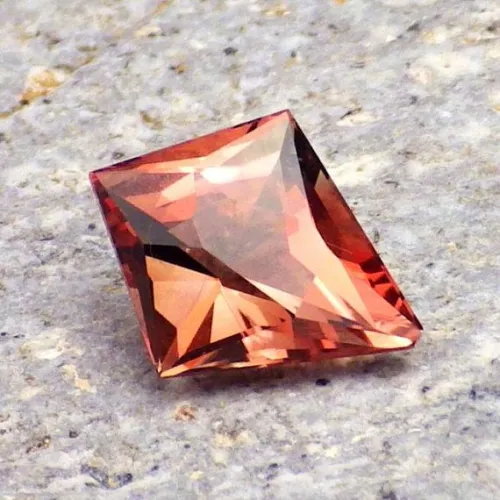
You're browsing an artisan jewelry collection online when an unusual pendant catches your eye. Its surface seems to hold trapped sunlight, flashing copper-orange sparks as the image rotates. The description calls it "sunstone," but the name feels unfamiliar—is this a natural gem or manufactured material? Your curiosity spikes when noticing similar stones featured in contemporary ring designs alongside traditional birthstones. This scenario explains why many inquire about sunstone: its visual unpredictability challenges expectations compared to more uniform gems, while geological terminology like "plagioclase feldspar" creates ambiguity about its natural origins and properties.
At its most fundamental level, sunstone shows three observable characteristics that separate it from similar minerals. When you first handle a specimen, you typically notice its transparency and internal sparkle before registering its exact hue. This initial experience often confuses those expecting uniform coloration since gradient transitions between yellow, orange, and brown may occur within a single stone.
The signature aventurescence stems from light reflection from microscopic copper platelets suspended during geological formation. Unlike surface treatments that coat gems, this phenomenon develops deep within the mineral structure. In practice, this means reflections maintain intensity under varied lighting conditions while avoiding the artificial appearance seen in some coated alternatives.
Understanding sunstone begins with its mineral framework belonging to the triclinic crystal system family. Its chemistry places it within the plagioclase feldspar group, sharing structural similarities with labradorite though differing significantly in optical behavior.
A Mohs hardness measurement typically lands between 6 and 6.5, indicating moderate scratch resistance comparable to tanzanite. Specific gravity measurements generally fall within 2.62–2.65 range across deposits. For jewelry contexts, these figures suggest protective settings for daily rings while enabling more elaborate designs in occasional-wear pieces.
Refractive measurements indicate values from 1.525 to 1.589, contributing to brightness when cut with precision. The Oregon varieties tend toward higher transparency measurements with pronounced copper flashes. These physical properties collectively help gemologists authenticate specimens while guiding jewelers on suitable cutting approaches.
Sunstone color perception changes dramatically under different lighting scenarios. In shaded environments, stones may initially appear uniform honey-brown until direct light triggers explosive flashes from crystal inclusions. This kinetic display presents assessment challenges that don't affect consistently colored minerals like blue topaz.
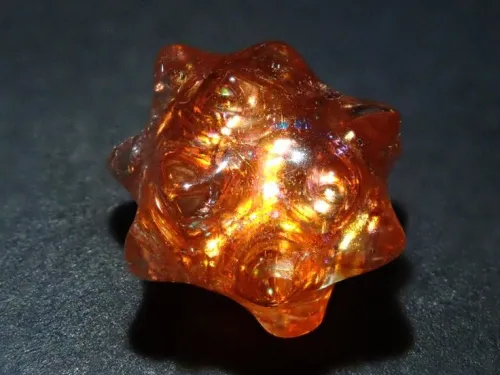
The primary base colors range from pale champagne through amber to deep coppery-red hues with secondary variations possible. Oregon specimens typically carry warm orange undertones while Norwegian versions may show silverish reflections. Unlike manufactured alternatives, natural sunstone often contains subtle gradient shifts rather than flat color saturation.
Metallic reflection visibility depends largely on crystal orientation rather than controlled facet patterning. When you rotate a finished gem, reflections may appear and disappear unpredictably depending on inclusion angles. Modern cuts often maximize this effect by aligning the setting orientation with key crystal planes for greater dynamic display.
Sunstone formation involves specific volcanic processes combined with copper availability. Geological examination shows that deposition typically occurs when copper-enriched magma solidifies within basalt flows, facilitating crystalline suspension rather than surface diffusion. This formation mode explains the consistent presence of distributed platelets instead of superficial coating.
Significant deposits occur across multiple continents under varying mineralogical conditions. Major extraction sites include Norway's historic mines, India's northern states, eastern African regions, and the northwestern United States. Oregon deposits have become particularly prominent in jewelry applications due to high-clarity materials displaying distinct copper sparkles against transparent backgrounds.
Contemporary jewelry practices frequently leverage sunstone's natural properties through specific setting strategies. Faceted geometric cuts are often paired with minimalist metal structures, particularly in white metals that contrast with the gem's warmth. This approach helps maximize reflection angles while preventing competing reflections.
Cabochon cuts remain popular for bolder pieces seeking to emphasize aventurescence. These designs typically situate the stone to capture light from multiple potential directions—a necessary adaptation given inclusion distribution uncertainty. In pendant design, suspended orientation often increases reflection probability during movement without requiring specific lighting angles.
Combination settings with alternative gem placements can moderate sunstone's intensity when desired. Surrounding specimens with similarly warm-toned but smaller gems provides visual balance while maintaining stylistic harmony. Such approaches acknowledge that these stones can become dominant focal points if not calibrated appropriately for the design context.
Sunstone endurance requires acknowledging inherent limitations while implementing practical protocols. Its moderate hardness means it typically withstands routine contacts like paper or fabric but may acquire scratches if constantly exposed to hard particles alongside softer materials like pearls. Prong and tension-style settings provide security by minimizing potential edge contacts.
Standard cleaning involves mild soap solutions without ultrasonic exposure, primarily because sudden temperature shifts may exacerbate internal stress fractures over time. Industry specialists often see specimens that show subtle fractures after repeated thermal shocks. For long-term preservation, professional repolishing every few years can restore reflective integrity by removing accumulated micro-abrasions.
Proper maintenance combines preventive measures with observational habits. You might notice early signs of stress when observing reflected light consistency changes. When traveling between significantly different climates, keeping jewelry protected during thermal transitions generally helps maintain integrity.
'Sunstone' terminology directly references observed visual phenomena rather than mysticism or metaphysical claims. Geological terminology officially derives from internal copper crystals resembling scattered sunlight on water surfaces—a descriptor grounded in optical resemblance. Early academic papers reference these descriptive parallels before symbolic associations developed.
Cultural usage varies regionally without consistent symbolic codification. Some traditions loosely associate paler variants with daylight concepts, though these connections generally appear less defined than symbolic systems for materials like ruby. Modern marketing narratives sometimes reference solar metaphors, yet their emergence postdates the mineral's name by decades according to historical publication analysis.
Differentiating sunstone requires understanding its key contrast with visually similar minerals. Aventurine quartz presents the most common confusion point since both exhibit sparkly reflections. However, aventurine owes its effect to mica platelets instead of copper crystals, typically showing green tones with silvery sparkles rather than coppery warmth.
Design choices often involve decisions between using faceted versus cabochon approaches. Faceted cuts generally work best with highly transparent specimens where interior reflections become visible through multiple planes. Cabochons focus attention onto clustered sparkle patterns when using more opaque materials.
If you aim to apply geological perspectives when examining sunstone jewelry, prioritize these observable properties: First, verify the presence of copper reflections (not just sparkle) while rotating the stone under varied lighting angles. Second, check for natural gradient shifts within the base color instead of flat uniformity. Third, examine setting protective measures in rings versus pendants.
Q: Can sunstone be considered a quartz variant based on appearance?
A: Despite visual similarities to some quartz, mineral analysis classifies it as plagioclase feldspar—a distinct mineral group requiring different formation conditions. Structural examination consistently reveals triclinic crystalline arrangements not found in hexagonal quartz systems.
Q: Are reddish-brown tones indicators of lower quality?
A: Color preferences remain subjective; deeper hues display copper reflections prominently while lighter specimens prioritize transparency. Quality assessment typically considers reflection visibility and structural integrity irrespective of base tone.
Q: Does sunstone require specialized care compared to common gems?
A: It shares care requirements with similarly hard materials like tanzanite. Avoid ultrasonic cleaners and thermal shocks, opting for mild cleaning solutions. Professionals recommend checking prong integrity during routine jewelry maintenance.


$
