Sunstone is generally viewed as moderately priced among colored gemstones, with typical retail prices substantially lower than precious stones like rubies but occasionally exceeding common quartz varieties. Its value varies significantly based on optical phenomena, geographical origin, and visual characteristics, making direct price generalizations less informative.
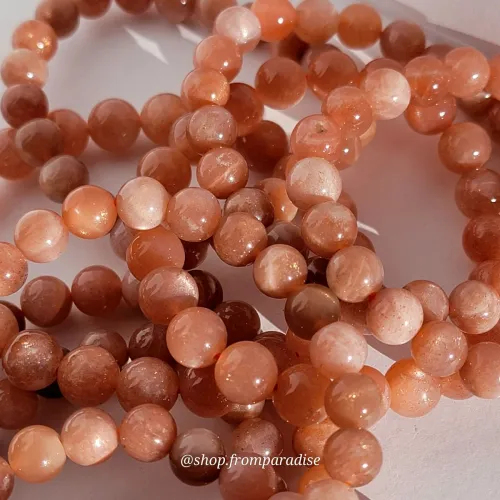
When exploring jewelry options or researching birthstones, you might find sunstone intriguing due to its distinctive sparkle or warm hues. Many wonder about its expense not only for purchase decisions but also to understand where this unusual feldspar variety sits in the gem world. This curiosity often stems from encountering confusing pricing — a piece may appear affordable in an artisan market while similar specimens sell at premiums in specialty collections. Such variability raises core questions: does its value stem from rarity, optical properties, or craftsmanship investments? Beyond superficial judgements, evaluating sunstone costs requires distinguishing between market segments and recognizing characteristics that drive appraisal metrics across different contexts.
To understand sunstone's market standing, you might compare its pricing brackets against familiar gemological categories. Retail prices tend to position it above abundant minerals like quartz but substantially below recognized precious stones. This reflects a confluence of factors — moderate geological scarcity combined with technical processing considerations rather than extreme rarity. For collectors, this intermediate position means sunstone represents an accessible specialty option, while jewelers may source varieties across broad price gradients. Inconsistent consumer awareness impacts its perceived luxury associations, often resulting in underestimated valuation complexity.
Market segment analysis reveals how sunstone valuation functions differently across contexts. In commercial jewelry, faceted specimens exhibiting strong aventurescence tend to command premiums between 20% to 50% over transparent examples lacking metallic flashes. From a mineral perspective, industrial-scale mining operations can reduce supply constraints for lower-grade material, whereas collector-oriented deposits yield limited quantities of exceptional specimens. Finishing requirements particularly affect softer varieties, which tend to involve additional polishing steps that increase manufacturing overhead. Thus the baseline price per carat can range from single digits for opaque cabochons to hundreds for precision-cut gems exhibiting optical phenomena.
Aspect analysis begins with understanding sunstone as a plagioclase feldspar with unique structural features. You'll find its chemical foundations explain both durability considerations and visual phenomena. Structural integrity stems from crystalline frameworks formed over geological timescales, exhibiting properties that influence both market positioning and practical applications. Many first-time observers notice discrepancies between its hardness (typically 6-6.5 Mohs) and diamond-like sparkle — an example of how optical properties can create perceptual mismatches for valuation.
The presence of mineral inclusions fundamentally distinguishes sunstone's identity. Hematite or goethite platelets suspended within the crystal matrix cause light diffraction patterns known as aventurescence. Copper inclusions, particularly prominent in Oregon sources, produce more reflective metallic flashes. These features can alter perceived stone integrity until you learn that such imperfections constitute the core value proposition. From a processing viewpoint, the material generally polishes well to glassy luster, though lapidaries must consider cleavage planes during cutting to minimize fracture risks. These structural realities impact production yields, indirectly affecting market availability and cost structures.
Visual differentiation requires observing how light interacts with the gem's internal architecture. You'll commonly find colors spanning yellow, orange, red, and green spectrums, with saturation varying from pale pastels to deep cinnamon tones. However, sunstone's market identity centers not on hue alone but on its distinctive optical behaviors. Certain lighting conditions reveal moving flashes that differentiate authentic specimens from similarly colored minerals. This dynamic visual character makes uniform photographic representation challenging — a consideration when comparing online listings.
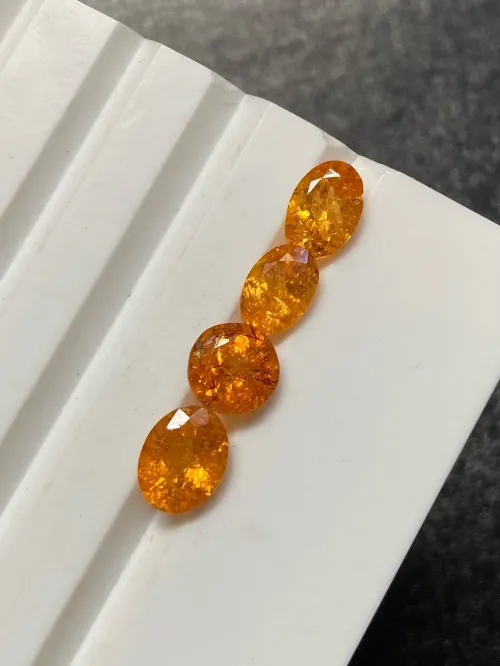
The mechanism behind these visual effects involves precisely oriented mineral inclusions within the feldspar host. When metallic platelets (typically copper, hematite, or goethite) form in parallel alignments during crystallization, they create reflective surfaces that produce schiller effects. In practice, this manifests as pinpoint glittering, which can range from subtle sparks to dramatic metallic sheets across the stone. Aventurescence intensity tends to correlate with plate size and density — features largely determined during geological formation. These optical phenomena influence value assessments in market settings, though standardization can be complicated by variations in viewing environments.
When evaluating significance of geographical sources, you'll notice Oregon deposits remain globally unique for yielding specimens with suspended copper platelets rather than the iron oxides typical elsewhere. This distinction stems from differing magma compositions during crystallization under volcanic conditions. Formation occurs primarily within ancient lava flows where mineral-rich solutions precipitate over geological timescales. Such origins create natural supply limitations despite multiple global sources, influencing regional market dynamics.
Tanzanian and Indian deposits exhibit structural variations — typically containing hematite inclusions that produce distinct visual signatures. These foundational differences matter economically: copper-bearing stones often achieve higher premiums per comparable size. The mining context also introduces quality variables; commercial operations may extract material containing trace host rock minerals, affecting potential carat yields for gem-grade output. Artisanal extraction might yield limited quantities with superior optical qualities but inconsistent grading standards. From a material availability viewpoint, no significant deposits emerge through conventional mining methods, preserving the stone's specialty market position.
Size assessment reveals non-linear pricing progression rather than consistent per-carat valuation. Smaller stones under 3 carats commonly appear across varied market segments with relatively accessible price points. However, above the 5-carat threshold, scarcity triggers disproportionate appreciation. This pattern reflects natural formation limitations; large, optically clean volumes rarely develop given the geological conditions required. Consequently, fine jewelry designers working with oversize material face distinct budgetary considerations.
Minerals like sunstone exhibit size-related valuation jumps when specimens cross certain carat milestones. A stone exceeding 5 carats with good clarity may achieve multiples of its per-carat price compared to smaller equivalents. This reflects diminishing availability at larger scales rather than inherent mineral differences.
When preparing rough material, cutters typically prioritize maximizing desirable optical effects within weight constraints. This strategic cutting approach helps explain why similarly sized finished stones may command different values. Material yield percentages vary considerably for inclusion-rich stones, impacting production costs for manufacturers and ultimately retail pricing.
Design applications significantly influence perceived value rather than merely reflecting it. The stone's relative softness (compared to sapphires or diamonds) informs jewelry type recommendations, with pendants and earrings typically preferred for protection against impact damage. You'll typically see cabochon cuts preserving material depth and optical effects in semi-transparent specimens, while cleaner material commonly undergoes faceting. This segmentation highlights an important market pattern: identical mineral varieties serve distinct design functions across price tiers.
Crafting challenges appear especially in high-inclusion material. Stones exhibiting dense reflections require careful orientation to maximize light play through the dome of a cabochon cut. Production wastage varies significantly — higher-included rough may yield only 10-20% usable material versus cleaner deposits allowing greater recovery. These technical realities contribute to hidden manufacturing costs reflected in final pricing. Material finishing further complicates economic models; achieving consistent polish across irregular inclusion surfaces tends to increase labor involvement compared to homogeneous minerals.
Contextual valuation emerges when comparing sunstone against geologically related alternatives. As a feldspar group member, it typically surpasses moonstone or labradorite in per-carat value while remaining substantially below gem varieties like high-quality sunstone. Ruby comparisons further illustrate market stratification; sunstone might retail at 20-30% of ruby pricing for similar sizes and clarity, partly reflecting differing hardness characteristics and cultural associations.
Among its mineral relatives, sunstone tends to position between entry-level and premium options. Its aventurescent characteristics create specialized appeal absent in translucent moonstone or iridescent labradorite variations. This niche status preserves moderate pricing despite overlapping geological origins.
Market differentiation involves recognizing which optical phenomena attract premiums. Copper schiller in Oregon stones often appears with greater intensity than the hematite-based effects in other deposits. You might consider how these visual differences establish sunstone's unique market position despite mineralogical similarities, highlighting why gem classification matters less than observable characteristics in valuation contexts.
Final pricing emerges through dynamic interactions beyond material fundamentals. Collector demand fluctuations may appear seasonally aligned with birthstone calendars, while designer trends periodically spotlight specific optical qualities. Supply chain configurations also play roles; direct-sourced material avoids distributor markups but may lack standardized grading. These variables help explain why identical-looking specimens might differ in price across platforms.
Consumer awareness levels create marketplace segmentation. Jewelry sectors targeting gem enthusiasts typically emphasize optical certification and traceable origins, supporting higher pricing. In contrast, mainstream accessory contexts might market the stone based on color family rather than mineral specifics. These positioning choices affect perceived value more than inherent properties do. Additionally, large-volume importers or mining cooperatives can influence availability patterns, sometimes reducing supply-driven price pressures for basic grades.
If you aim to make informed evaluations beyond intuition, implement these observable assessment criteria: First, evaluate optical phenomena under directional lighting — high-quality aventurescence should appear even with subtle stone movement. Next, consider origin associations; Oregon stones with copper platelets differ visually from hematite-bearing alternatives. Finally, recognize size-value thresholds where stones above 5 carats often deserve specialized appraisal. These grounded checks help navigate marketing claims while focusing on material realities.
Q: Does sunstone appreciate like precious gems?
A: As a collectible mineral rather than standardized investment vehicle, appreciation patterns remain specialized and market-specific.
Q: Is faceted sunstone worth more than cabochons?
A: Cutting style doesn't inherently determine value; rather, the chosen method should maximize a stone's optical potential.
Q: Why do prices vary dramatically for seemingly similar stones?
A: Inclusions, optical effect intensity, and geographical origins create visual nuances that significantly impact professional appraisal outcomes.


$
