Preserving sunstone jewelry involves understanding its physical vulnerabilities—moderate hardness, thermal sensitivity, and copper platelet inclusions—and adopting gentle cleaning routines, proper storage methods, and regular professional maintenance to maintain its distinct aventurescence.
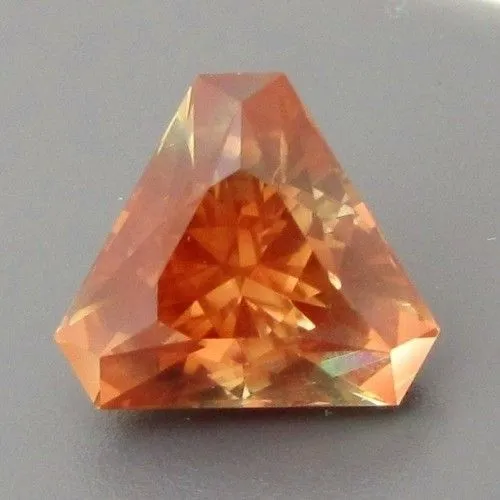
When you first acquired your sunstone jewelry, its unique aventurescence—those captivating coppery flashes dancing beneath the surface—likely drew immediate attention. But after months of occasional wear during garden gatherings, beach vacations, or even routine household activities, subtle observations accumulate: perhaps a faint film of lotion residue around the setting, barely perceptible microscratches under certain lights, or a quiet anxiety about accidentally damaging the stone during cleaning. These everyday encounters raise legitimate preservation concerns. Unlike harder gemstones, sunstone possesses specific vulnerabilities stemming from its mineral composition that demand tailored care approaches, making generalized jewelry maintenance advice insufficient and potentially harmful to its optical properties and long-term integrity.
Proper sunstone maintenance begins with recognizing its dual nature: while visually striking due to embedded copper inclusions creating metallic reflections, its composition necessitates more cautious handling than quartz-based gems. An initial assessment should focus on structural context—examine if the stone is bezel-set providing edge protection, or prong-set which may expose girdle areas to impacts. When evaluating care needs, consider that seemingly harmless exposures accumulate over time; residue from skincare products may slowly penetrate microscopic surface fractures, while atmospheric pollutants could interact with copper inclusions.
From a mineralogical perspective, sunstone's structure can influence vulnerability. Inclusions of copper platelets create characteristic phenomena but introduce potential cleavage planes where fractures might propagate under stress. In practice, this often means prioritizing harm prevention over corrective measures—what might be routine cleaning for diamonds could irrevocably damage sunstones.
Sunstone’s moderate ranking between 6 and 6.5 on the Mohs scale presents practical implications in daily wear scenarios. This hardness level means household accident risks manifest differently than for harder gems; for example, accidentally brushing against granite countertops may leave fine abrasions rather than chips. Material interactions deserve particular attention: common storage companions like diamonds or sapphires easily scratch sunstone surfaces during contact.
Thermal behavior represents another overlooked property. Testing reveals thermal shock susceptibility occurs because copper inclusions expand at different rates than the feldspar host material under rapid temperature changes. This explains why transferring jewelry from cold environments to hot dishwater may initiate fracture networks. Furthermore, optical quality depends on surface smoothness—even microfractures from improper handling diminish light reflection from copper platelets, reducing the signature aventurescent glow by scattering rather than reflecting light coherently.
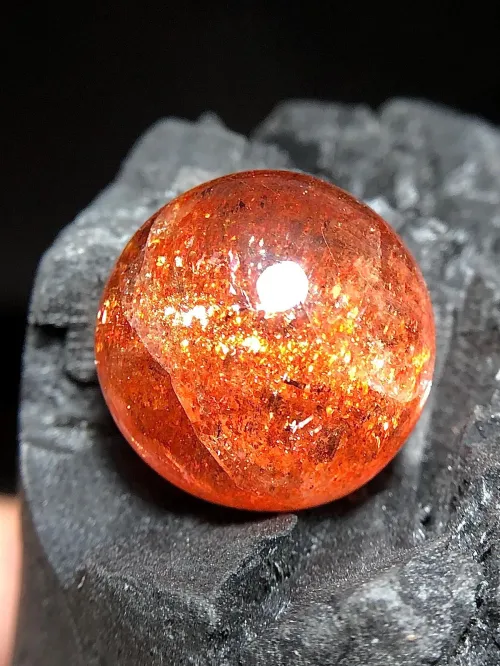
Chemical vulnerability stems from how feldspar minerals react with common substances. Chlorine bonding at structural weak points gradually etches surfaces, while acids in cosmetics alter surface reflectivity. One observed pattern involves ammonia-based cleaners causing irreversible cloudiness in stones with high copper inclusion density.
Prolonged UV exposure produces subtle photochemical reactions in copper-containing stones, typically manifesting as slight color fading over years. Impact risks amplify with included material boundaries serving as fracture initiation sites. Consequently, removing jewelry before impact-prone activities like sports becomes advisable.
Environmental conditions like low humidity during storage periods sometimes lead to dehydration fractures in certain feldspars, though quality commercial sunstones generally exhibit stability when not subjected to extremes. Regular inspection identifies potential issues like developing abrasions on facet junctions or loosened prongs that need attention.
Establishing a safe cleaning protocol starts with avoiding industrial methods like ultrasonic baths where high-frequency vibrations could displace inclusions. Similarly, steam cleaning introduces rapid thermal cycling inconsistent with sunstone's material tolerance.
A practical alternative involves damp microfiber wipes—their fine fibers dislodge accumulated debris without abrasive action, preserving optical clarity. For deeper periodic cleaning, lukewarm water immersion requires multiple safeguards: dilute pH-neutral soap prevents residue buildup; a designated soft-bristled brush minimizes scratching during grime removal; and immediate pat-drying prohibits water spotting. An often-underestimated step involves clasp and setting inspection during cleaning, as accumulated residues in these areas may accelerate metal fatigue over time.
Observations suggest surface integrity maintains best when cleaning frequency balances preservation needs without overhandling. Dust accumulation generally diminishes brilliance before posing structural risks, making monthly gentle cleaning sufficient for most wear patterns.
Effective storage prevents two primary damage vectors: abrasion through contact with harder materials and environmental exposure to reactive compounds. Physical separation solves both—fabric-lined compartments prevent gem-on-gem scratching while simultaneously blocking atmospheric sulfur compounds that tarnish metal components.
When assessing storage solutions, note that fabric quality influences outcomes over decades. Non-reactive silks and acid-free cotton velvets prevent chemical interactions absent in synthetic blends. Humidity control matters significantly for gem integrity; silica gel pack inclusions maintain stable moisture levels. Common oversights include jewelry boxes placed near heat vents or in direct sunlight, creating thermal cycling that stresses stones during storage. Even during travel, temporary storage solutions like padded pouches require awareness of co-stored items; keys or coins in the same compartment inevitably cause surface abrasions.
Long-term care integrates three maintenance pillars: wear habit adjustments, environmental controls, and professional oversight. Documented preservation patterns suggest that consistent habit changes like removing jewelry before gardening or chemical handling extend pristine appearance significantly longer than corrective measures alone.
Regarding environment, direct sunlight exposure during display tends to show different impacts than wear-related deterioration—UV primarily affects color saturation, while mechanical wear alters surface polish. These considerations inform display choices; indirect lighting maintains brilliance without cumulative photochemical effects. Another observation involves metal interactions: tarnish from base metal components can migrate onto sunstone surfaces, highlighting the importance of tarnish-resistant alloys in bezel construction.
Develop simple observational checks: before cleaning, examine stone clarity against strong backlight to detect residue buildup; notice if the stone’s aventurescence reflects differently under consistent lighting indicating surface change; and periodically test prong tightness by gently nudging settings with plastic tools. By recognizing early warning signs like diminished sparkle or subtle mounting movement, you can address issues proactively rather than reactively.
Proactive professional upkeep differs fundamentally from damage repair. Schedule preemptive inspections where jewelers microscopically examine inclusion stability, setting integrity, and abrasion patterns. Objective data points guide decisions—for example, measurements revealing diminishing prong metal thickness indicate impending replacement needs.
Repolishing requires precision skill; aggressive polishing can alter facet angles critical to light performance while insufficient material removal leaves microscratches disrupting clarity. One consistent pattern emerges: specialized gem cutters familiar with copper-included feldspars produce superior results. Post-service validation matters just as much as the service itself. Upon jewel return, verify stone security through slight rocking pressure and examine facet junctions under magnification to ensure polishing hasn’t created asymmetries affecting light reflection.
Q: Can sunlight permanently damage sunstone jewelry?
A: Prolonged exposure may cause gradual fading in some specimens due to photochemical reactions with copper inclusions—display jewelry away from direct sunlight to mitigate risk.
Q: Is home ultrasonic cleaning safe?
A: Ultrasonic vibrations can displace internal copper platelets creating fractures—standard care protocols recommend avoiding this method.
Q: How often should settings be professionally inspected?
A: Annual inspections identify early metal fatigue or loose settings; more frequent checks support jewelry worn daily or in active environments.
Q: Why avoid lotions when wearing sunstone?
A: Chemicals in cosmetics can form surface residues reducing optical clarity and potentially migrating into fine fractures over time.


$
